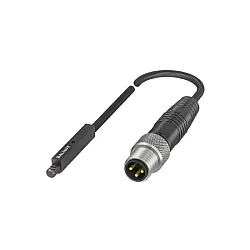
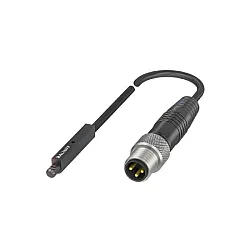
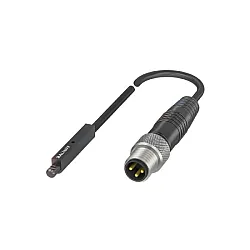
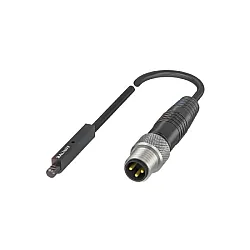
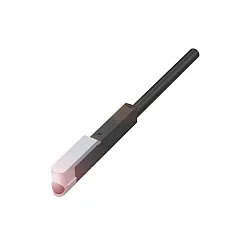
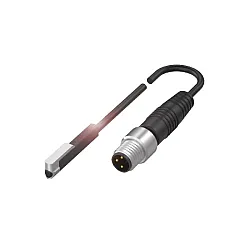
Magnetic Field Sensors For T-slot
Reliable Piston Position Sensing for T-Slot Cylinders
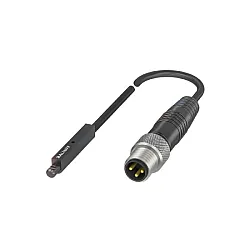
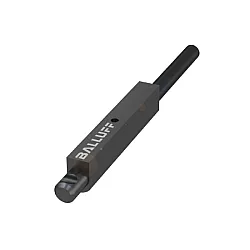
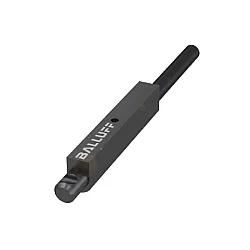
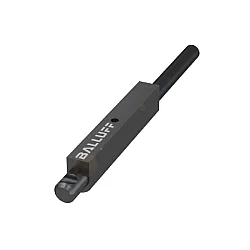
Balluff BMF magnetic field sensors for T-slots detect the magnet on a pneumatic cylinder’s piston through the cylinder wall and signal when it reaches a set position. They drop into the T-slot from above, lock in place with a set screw and switch without contact, so there is nothing to wear out.
This range covers everything from compact standard switches to teachable, IO-Link and weld-immune versions for cylinders, grippers and slides. Manuauto, an authorized Balluff distributor in Canada and the U.S., can match any BMF part number to your cylinder and control system.
How to Pick the Right T-Slot Sensor
Output. PNP or NPN, normally open or normally closed, matched to your PLC input card.
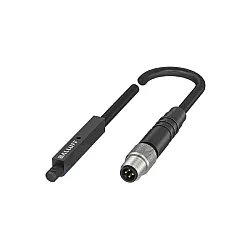
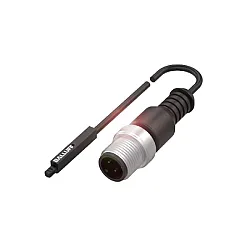
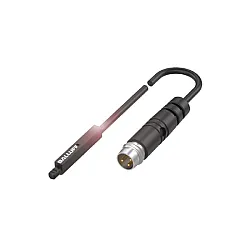
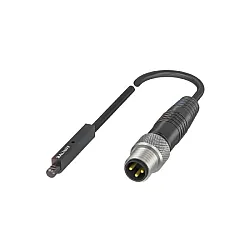
Connection. An open cable end for terminal wiring, or a short PUR pigtail with an M8 or M12 connector for plug-in replacement.
Switchpoint setup. Fixed sensors are positioned by hand. Teach and IO-Link versions are placed roughly and set electronically.
Environment. Plastic housings suit general machinery. Choose metal or weld-immune versions near welding and IP69K versions for washdown.
Available space. Short-stroke cylinders and grippers need a compact sensor head that switches close to the end of travel.
Balluff T-Slot Sensor Series at a Glance
Balluff’s T-slot range spans several series. These are some of the most widely specified; contact us for the full selection.
| Series | What sets it apart | Typical use |
|---|---|---|
| BMF 235 | 23.5 mm drop-in housing with a bright LED; PNP or NPN; cable or M8/M12 pigtail | Short-stroke cylinders, grippers and compact slides |
| BMF 235 with teach function | 60 mm detection area with two teachable switchpoints, up to eight via IO-Link, with adjustable hysteresis | Detecting intermediate positions without adding sensors |
| BMF 415 | Immune to magnetic fields from AC and MFDC welding currents; IO-Link versions with configurable interference suppression from 50 to 1000 ms; spark-resistant cable | Weld cells and automotive body shops |
| BMF 405 | Polypropylene housing rated IP68/IP69K, up to 100 °C | Food, beverage and washdown areas |
| Twin-head versions | Two sensor heads on a single cable and connector | Both end positions with one connection |
| Metal-housing versions | Aluminium housing, up to 105 °C | Weld spatter, flying sparks and high heat |
What Affects Switching Reliability on a T-Slot Cylinder
Many intermittent position faults on pneumatic cylinders trace back to the application rather than the sensor itself. Check these factors before replacing a part:
Cylinder with a different groove profile? See Balluff sensors for C-slots and for multiple slot shapes.
Mounting and Replacement Practices That Prevent Downtime
Install from the top. Drop-in housings go straight into the slot at the required position, so you can add or change a sensor without removing the cylinder or sliding past other sensors in the same slot.
Tighten to the datasheet torque. Over-tightening the set screw can crack the housing or damage the slot; under-tightening lets vibration move the switchpoint over time.
Secure and route the cable. Clip the cable close to the sensor for strain relief and keep it away from pinch points. On moving cylinders and grippers, use a cable rated for continuous flexing and leave a service loop.
Mark the switchpoint before removal. A paint mark on the barrel makes a like-for-like replacement a two-minute job. Teach and IO-Link versions can simply be re-taught after the swap.
Standardize your spares. Using the same output type, cable length and connector across machines lets one spare part cover many cylinders and keeps the stock list short.
Tell Us the Cylinder. We’ll Match the Sensor.
Send us your cylinder make and model, slot type and PLC input type, and we will match the right Balluff BMF sensor.
Frequently Asked Questions
Will a T-slot sensor work on any pneumatic cylinder?
Only on cylinders with a magnet built into the piston and a T-slot profile on the barrel. Most manufacturers list this as a “magnetic piston” option. Tie-rod and round-body cylinders need a mounting bracket or a sensor designed for multiple slot shapes.
How do I set the switchpoint on a standard sensor?
Move the piston to the position you want to detect and slide the sensor along the slot until its LED switches on. Move it slightly farther in the same direction so the switchpoint is not sitting on the edge of the hysteresis band, then tighten the set screw.
Should I choose PNP or NPN, normally open or normally closed?
PNP sensors pair with sinking PLC inputs, the standard on most machines built in North America and Europe; NPN sensors pair with sourcing inputs. Normally open is the usual choice for “position reached.” Normally closed is useful when a broken wire should look the same as a missing signal.
How many sensors does one cylinder need?
One per position you want to detect, so two for both end positions. A single multi-switchpoint sensor from the table can replace several when all the positions fall within its detection area.
Can I connect T-slot sensors to an IO-Link hub?
Yes. Standard switching sensors plug into the inputs of a Balluff IO-Link sensor/actuator hub, which brings up to 16 of them back to the controller on one cable. IO-Link versions connect straight to a master port so you can use their teach and diagnostic functions.