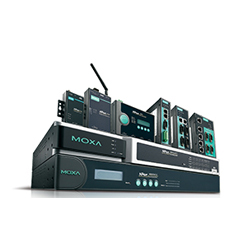
Industrial Edge Connectivity Solutions
Bridging Legacy Field Devices to Modern Industrial Networks with Moxa
Field devices generate the data that industrial operations run on. The challenge is getting that data off the device, across the network, and into the systems that act on it, reliably, in real time, and without replacing equipment that still works.
Moxa industrial edge connectivity solutions solve that problem at the source. They bridge the gap between legacy field equipment and modern industrial networks, turning isolated devices into visible, manageable assets, whether that's a power meter inside a substation, a roadside sensor on an intelligent transportation network, or a CNC machine on a manufacturing shop floor.
How Moxa bridges a legacy serial device to a modern IIoT network
What Is Industrial Edge Connectivity?
Edge connectivity is the hardware and software layer that connects field-level devices to industrial networks and data systems. It sits at the boundary between the physical process and the digital layer that monitors and controls it.
Most industrial equipment was never designed to communicate over modern networks. Edge connectivity hardware closes that gap, translating protocols, converting interfaces, and routing data from where it's generated to where it's needed.
The edge isn't a location. It's a function. And in industrial environments, that function determines whether field data reaches the control room, or stays trapped at the device.
Why the Edge Layer Cannot Be Allowed to Fail
Connectivity failures at the field level don't stay at the field level. When a sensor stops reporting, a controller loses visibility. When a serial device goes silent, the SCADA platform starts operating on incomplete data. Decisions get made on assumptions instead of facts, and in critical operations, that gap has consequences.
Moxa industrial edge devices address this with reliable, protocol-aware connectivity hardware built for the conditions industrial equipment actually operates in:
01
Connecting legacy equipmentSerial devices running RS‑232, RS‑422, or RS‑485 are integrated into modern Ethernet networks without hardware replacement. |
02
Collecting field dataRemote sensors, meters, and controllers are brought online and made visible to centralized monitoring platforms. |
03
Enabling real-time monitoringField device status, process values, and alarm states are transmitted continuously rather than polled on a schedule. |
04
Supporting industrial IoT applicationsField assets become data sources that IIoT platforms can access, analyze, and act on. |
Four Categories. One Edge Connectivity Layer
Moxa organizes its edge connectivity portfolio into four functional groups, each solving a distinct piece of the field-to-network puzzle, spanning Power, Intelligent Transportation, and Manufacturing operations.
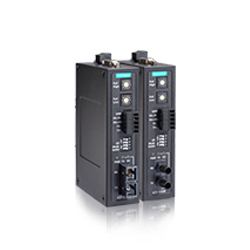
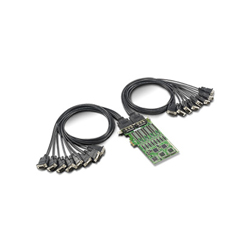
Serial Connectivity
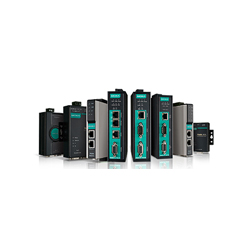
Protocol Conversion
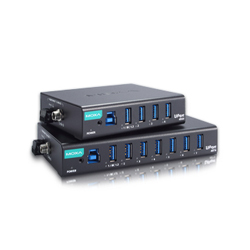
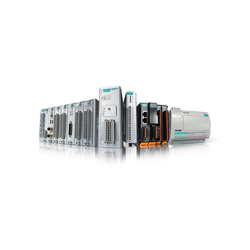
I/O Connectivity
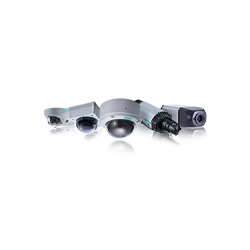
IP Surveillance
Not sure which category fits your application?
Talk to an Engineer →The Protocols That Power Industrial Edge Communication
Industrial edge connectivity runs on a defined set of protocols that determine how devices communicate across the network.
- Modbus RTU & Modbus TCPThe dominant serial and Ethernet protocols for field device communication across process industries.
- PROFIBUS & PROFINETEuropean manufacturing standard protocols used heavily in automation and motion control environments.
- EtherNet/IPCommon in North American manufacturing, particularly for Allen-Bradley and Rockwell-based control architectures.
- DNP3 & IEC 60870Protocols used specifically in power utility and SCADA communication infrastructure.
- MQTT & OPC UAThe data transport and interoperability standards that connect edge devices to IIoT platforms and cloud systems.
Selecting the right protocol stack isn't a product decision, it's an architectural one. The hardware follows.
When Backup Power Status Goes Dark
Here's a common pattern this kind of hardware is built to solve. A facility running critical backup power infrastructure starts seeing gaps in its monitoring platform. Generator status and battery voltage readings aren't reaching the control system reliably, and the gaps show up most often during power transfer events, the exact moments when operators need real-time visibility the most.
In a scenario like this, deploying Moxa ioLogik E1200 series I/O modules at the power distribution panels replaces the existing polling architecture with active reporting: instead of waiting to be queried, the devices push status changes to the monitoring platform the instant they occur. Visibility into backup power status becomes continuous and verifiable, without rearchitecting the existing monitoring infrastructure.
This is a representative example of how the ioLogik E1200 series is typically applied, not an account of a specific ManuAuto project.
Frequently Asked Questions About Moxa Industrial Edge Connectivity
What is Moxa industrial edge connectivity?
It's the set of hardware and software solutions that connect field-level industrial devices to modern networks and data systems, covering serial communication, protocol conversion, I/O data acquisition, and device management at the boundary between physical processes and digital infrastructure.
What types of industrial edge devices does Moxa offer?
Moxa's edge device portfolio includes serial device servers, protocol gateways, remote I/O controllers, serial converters, USB-to-serial converters, and IP cameras/video servers. Each category addresses a specific connectivity requirement, from integrating legacy serial equipment to enabling real-time IIoT data acquisition from distributed field assets.
Which Moxa products are used for industrial edge connectivity?
The most widely deployed products include NPort serial device servers for serial-to-Ethernet conversion, MGate industrial gateways for protocol translation, and the ioLogik I/O series for remote data acquisition and active reporting. Additional product lines cover computing, wireless, and advanced edge processing requirements.
How do Moxa industrial edge devices secure field-to-cloud data?
Moxa edge devices support encrypted communication, role-based access control, and network segmentation. Security is built into the hardware and firmware rather than added afterward, aligning with the secure-by-design principles behind the IEC 62443 industrial cybersecurity standard.
Can Moxa industrial edge devices connect legacy equipment?
Yes. Moxa serial converters and device servers are built to integrate RS‑232, RS‑422, and RS‑485 serial equipment into modern Ethernet-based networks, letting legacy field devices communicate with current SCADA platforms, data historians, and IIoT systems without requiring hardware replacement.
What industries use Moxa industrial edge connectivity solutions?
Most often Power, Intelligent Transportation, and Manufacturing, though the same hardware supports any operation where legacy field devices need to reach a modern network.
Where can I buy Moxa industrial edge connectivity products in Canada?
Through ManuAuto, an authorized Moxa distributor serving customers across Canada and North America. ManuAuto provides pre-sales engineering support, verified product availability, and post-deployment technical assistance for edge connectivity projects of any scale.