Protocol Gateways
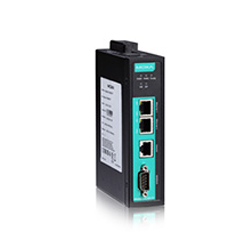
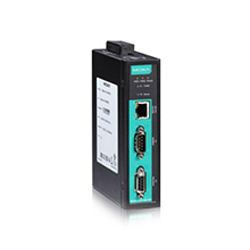
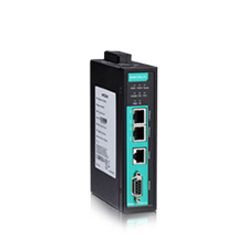
Moxa Protocol Gateways: Bridging Industrial Communication Standards
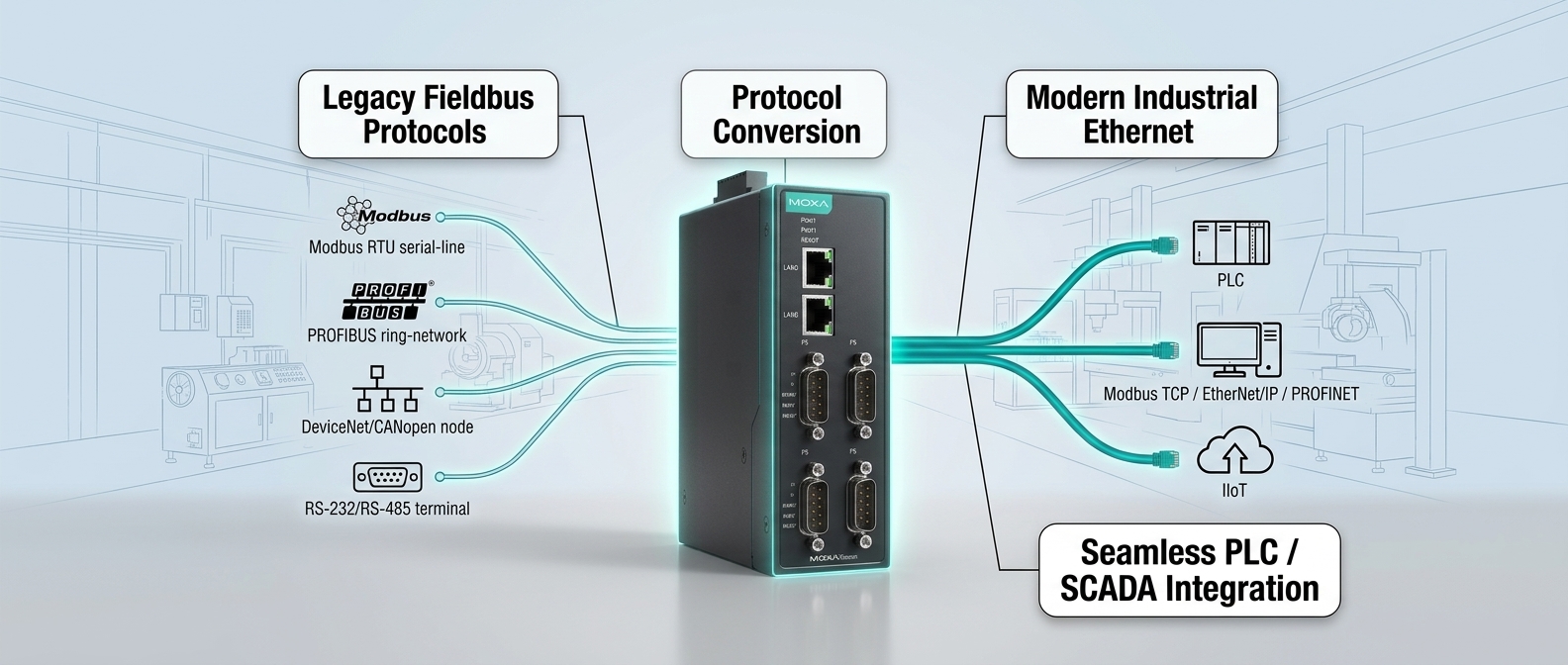
A factory floor rarely speaks one language. Older equipment runs on legacy protocols, newer systems run on modern ones, and somewhere in between, someone hشas to translate. That's the role Moxa protocol gateways play, converting between communication standards so devices that were never designed to talk to each other can still exchange data reliably.
These industrial gateways show up across manufacturing, energy, oil and gas, water and wastewater, transportation, building automation, power utilities, mining, and marine environments. Wherever legacy and modern systems need to coexist on the same network, a protocol gateway is usually part of the answer.
The Communication Gap Most Facilities Run Into
Legacy equipment doesn't disappear just because
newer technology arrives. Many facilities end up running older fieldbus devices alongside modern
Ethernet-based systems, with no direct way for the two to communicate. That mismatch creates blind spots,
slows integration projects, and makes centralized monitoring harder than it should be.
Moxa gateways solve this by converting protocols
at the point of connection, not by forcing a full infrastructure replacement. This approach addresses
several common pain points at once:
- Disconnected legacy and modern equipment
- Limited visibility across mixed-protocol networks
- Slow or complex integration timelines
- Inconsistent data flow between field devices and control systems
- Difficulty scaling communication infrastructure as facilities grow
Protocols Moxa Gateways Support
Modern industrial networks rarely run on a single protocol, which is exactly why gateways exist. A Moxa industrial protocol gateway allows PLCs, SCADA platforms, and field devices built on different standards to share data without custom middleware or manual workarounds.
This matters most in facilities managing a mix of equipment ages and vendors. Instead of replacing working legacy hardware, a protocol gateway lets that equipment stay in service while still feeding data into modern monitoring and control systems. The range of protocols in play across a single facility, and where the Moxa MGate series covers each one, is often wider than most teams expect:
Without a gateway to bridge these standards, facilities are left maintaining separate monitoring systems for each protocol, or worse, leaving some equipment disconnected entirely. A single Moxa gateway resolves that fragmentation, translating between these protocols so data from every corner of the network reaches the same monitoring and control platform.
Protocol Gateway Categories to Match Your Network
Moxa offers a range of protocol gateway categories, each built to bridge a specific combination of industrial standards. Different networks call for different gateway types, depending on the protocols already in place.
- EtherNet/IP Gateways: Connect EtherNet/IP-based control systems with other industrial protocols.
- Fieldbus Gateways: Bridge legacy fieldbus devices into modern Ethernet networks.
- Modbus TCP Gateways: Translate Modbus TCP data for integration with PLC and SCADA systems.
- PROFINET Gateways: Enable PROFINET-based equipment to communicate across mixed-protocol environments.
- OPC UA & MQTT Gateways: Extend fieldbus and Ethernet data into IIoT platforms and cloud-based systems.
- Power Utility Gateways (IEC 61850/DNP3): Support standardized, secure data exchange across substation and utility networks.
Where Protocol Gateways Get Put to Work
Protocol gateways rarely operate as a single, isolated fix. They tend to sit at the center of a much larger integration effort, connecting equipment, systems, and teams that would otherwise struggle to share data. The use cases below reflect the situations where a Moxa protocol gateway solution typically makes the biggest difference.
- Industrial data integration for consolidating multiple protocols into one data format
- PLC connectivity between controllers using different communication standards
- SCADA integration without custom middleware
- Machine connectivity across the production floor
- Remote monitoring of distributed industrial equipment
- Industrial data collection for reporting, analysis, and compliance
- Equipment integration without disrupting existing infrastructure
- Centralized monitoring through a single operational dashboard
- Legacy system integration alongside modern industrial equipment
- Edge connectivity for IIoT data processing near the source
Facilities rarely need just one of these capabilities. Most industrial environments end up relying on a gateway to handle several of these use cases simultaneously, which is why protocol compatibility and long-term scalability matter as much as the initial connection.
Looking for the Right Moxa Gateway Solution?
Matching the right gateway to your
network takes more than a product list. It takes an understanding of your protocols, equipment,
and long-term goals. It also means knowing exactly where your current infrastructure falls
short.
Every facility's protocol mix looks
different. Some still run legacy fieldbus devices daily. Others need broader SCADA visibility,
or a growing list of machines that were never built to share a network.
ManuAuto works with facilities across
Canada and North America to find the right Moxa protocol gateway for their setup. We help legacy
and modern systems work together, without a costly rip-and-replace approach. A quick
conversation with our team can confirm which gateway model fits best, before any equipment is
ordered.
Common Questions About Moxa Protocol Gateways
1. What is a Moxa protocol gateway?
A Moxa protocol gateway is a device that translates between different industrial communication protocols, such as Modbus and EtherNet/IP. It allows equipment built on different standards to exchange data without custom integration work.
2. Why are protocol gateways used in industrial automation?
They connect legacy and modern equipment that would otherwise be unable to communicate. This keeps existing hardware in service while still enabling centralized monitoring and control.
3. What are the benefits of using Moxa protocol gateways?
They reduce integration time, improve network visibility, and extend the useful life of legacy equipment. Facilities also gain more consistent data flow across mixed-protocol environments.
4. How do I choose the right Moxa protocol gateway?
Start with the protocols already running in your facility, then match a gateway model built to bridge them. A specialist can help confirm compatibility with your existing PLC or SCADA setup.
5. What's the difference between a protocol gateway and a media converter?
A media converter changes the physical transmission medium, for example fiber to copper, without changing the protocol itself. A protocol gateway goes further, translating the actual communication standard, such as Modbus to EtherNet/IP, so devices that speak different languages can understand each other.
6. Can Moxa protocol gateways integrate legacy industrial equipment?
Yes. Moxa gateways are built specifically to bridge legacy fieldbus and serial devices with modern Ethernet-based systems. This allows older equipment to remain operational without a full replacement.
7. What applications are Moxa protocol gateways commonly used for?
Common applications include factory automation, power utilities, water and wastewater, and transportation networks. They're also widely used for remote monitoring and legacy system integration.
8. Where can I get support for Moxa protocol gateways in Canada?
Support and product guidance are available directly through our team, serving facilities across Canada and North America. Reach out to discuss your specific network requirements.