Serial Device Servers
Moxa NPort Is the Serial Device Server Engineers Actually Trust
When engineers talk about connecting serial equipment to a modern network, the Moxa NPort name comes up more often than any other. A Moxa serial device server converts RS-232, RS-422, and RS-485 signals into Ethernet-ready data, giving legacy devices a path onto networks they were never originally built to join.
This isn't a niche product line. Moxa industrial serial device servers show up across industrial automation, factory automation, oil and gas, power utilities, railway transportation, water and wastewater, and mining, wherever serial equipment still runs critical processes and needs to report back to a centralized system.
Why Industries Rely on Moxa Specifically
Serial equipment doesn't retire just because networking standards move on. A remote pump station running on RS-485, a substation controller wired for RS-422, or a factory PLC still speaking RS-232, none of that hardware needs replacing. It needs a reliable way to join the network everything else already runs on, and that's precisely where Moxa NPort device servers earn their reputation.
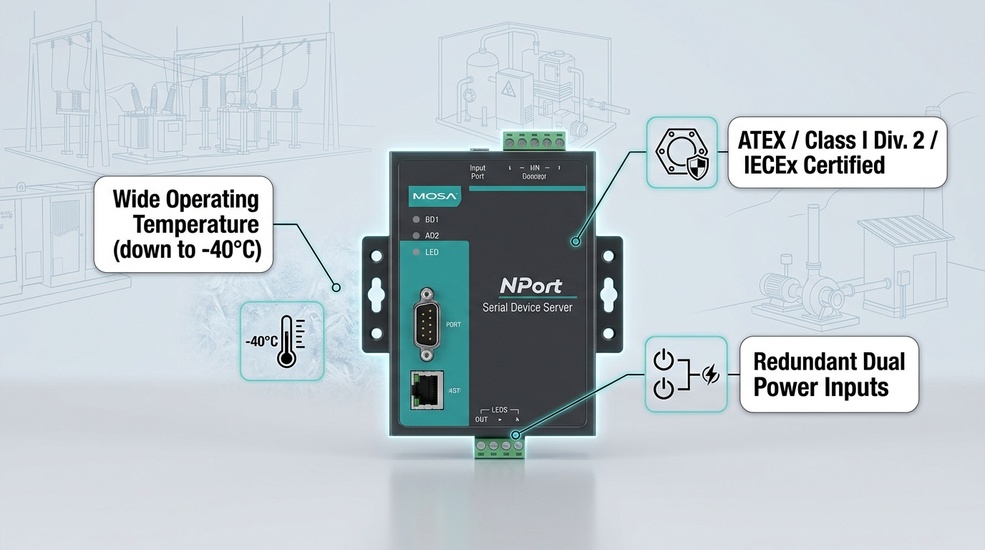
Moxa backs that reputation with specifics, not just a promise of reliability. Industrial-grade NPort models are built for wide operating temperature ranges (down to -40°C on rated variants), the NPort IA Series carries ATEX, Class I Division 2, and IECEx certification for hazardous locations, and redundant dual power inputs on industrial models keep a unit running even if one power source fails. That's the kind of engineering detail that shows up on a datasheet, not just in marketing copy.
How Moxa NPort Device Servers Actually Work
Moxa's serial device server lineup centers on solving one core challenge well: getting serial data onto Ethernet without compromise. Most NPort models present themselves to your existing software as a virtual COM port, using Moxa's Real COM and TTY drivers so applications keep talking to what looks like a local serial port, even though the device is now across the network. Pair Connection mode extends that further, transparently linking two NPort units over Ethernet to replace a long serial cable run entirely.
Legacy serial device integration becomes straightforward once the right NPort model is in place, and industrial serial communication continues uninterrupted, just now visible across the broader network. Remote serial device access means field devices no longer require a technician standing next to them to check status, and industrial device networking extends that visibility across an entire facility or multiple remote sites.
Moxa NPort Series by Category
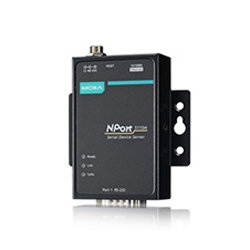
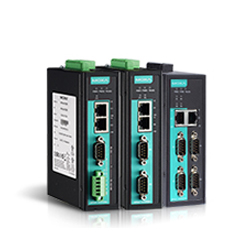
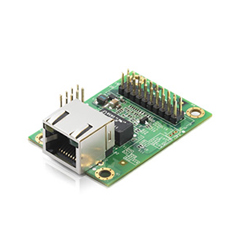
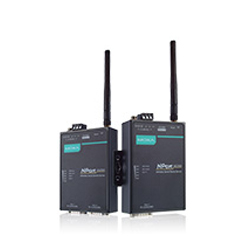
Moxa organizes its NPort lineup into distinct categories, each built for a different deployment scenario. Use this as a starting point; a specialist can confirm the exact series and model once we know your port count, serial standard, and site conditions.
Find the Right Moxa NPort for Your Facility
Every facility's serial equipment looks a little different, and matching the right NPort model to your specific setup makes the difference between a smooth integration and a frustrating one. As an authorized Moxa distributor in Canada, our team helps confirm compatibility with your existing devices before you order.
Whether you're connecting a single legacy controller or planning a facility-wide rollout, we're ready to help you find the right Moxa NPort for the job.
Common Questions About Moxa Serial Device Servers
1. What is a Moxa serial device server?
It's hardware built by Moxa that connects serial devices, such as PLCs or RTUs, to an Ethernet network, allowing them to communicate over IP without hardware modification.
2. What is a Moxa NPort device server?
The Moxa NPort is Moxa's dedicated line of serial device servers, covering everything from basic single-port models to advanced multiport, industrial, and wireless options.
3. How do Moxa NPort device servers work?
They receive data through serial ports like RS-232, RS-422, or RS-485, convert that data, and transmit it over Ethernet to the rest of the network, typically presenting it to your software as a virtual COM port.
4. Which Moxa NPort should I choose?
The right model depends on your serial interface, required port count, and environment. A quick conversation with our team can confirm the best fit before you order.
5. What serial interfaces do Moxa NPort device servers support?
Most models support RS-232, RS-422, and RS-485, though the exact combination varies by series and model.
6. Can Moxa serial device servers connect to PLC and SCADA systems?
Yes. They're commonly used to bring serial-based PLCs and field devices into Ethernet-connected SCADA platforms for centralized monitoring.
7. What is the difference between the Moxa NPort series?
Series vary by port count, environmental rating, and features like wireless connectivity, embedded module design, or hazardous-location certification. Matching your application to the right series is where our team can help.